Before you ever pick out paint colors or install a front porch, there’s one part of your shed-to-home project that deserves serious attention—your foundation.
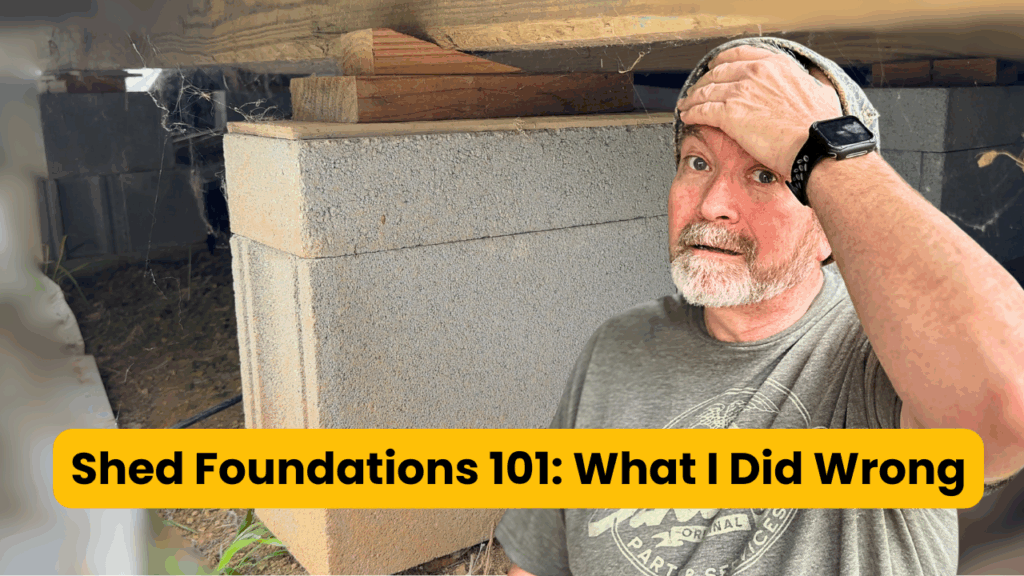
I’ll be honest. When I converted our first shed, I didn’t think too hard about what was underneath it. I figured some concrete blocks and good intentions would hold things together. Spoiler alert: they didn’t.
Now, I’m building a shed home for my daughter and grandson—and we’re doing it smarter from the ground up. Let me walk you through the foundation options, the mistakes I made, and what we’re doing differently this time around.
⚠️ Why Your Shed Foundation Matters
If you’re turning a shed into a real home, you need to treat it like one. That means planning for the weight of:
- Insulation and flooring
- Cabinets and appliances
- Electrical and plumbing
- And actual people living inside
Your lawnmower doesn’t care about a sagging floor. Your bed and bathtub do.
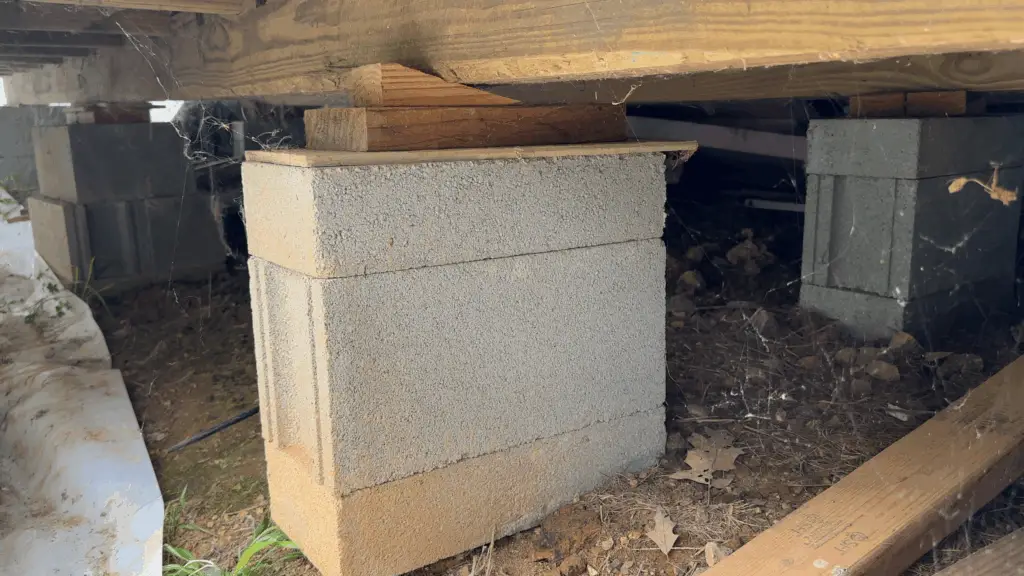
When I set up our first shed, I trusted the delivery crew’s concrete blocks. They placed a few under the skids and called it good. At first, it looked fine. But over time, the blocks settled. Doors got sticky. Floors sagged. And now I’ve got to crawl under there, shim things, and fix it the hard way.
Don’t do what I did.
🧱 Common Shed Foundation Types (and When They Work)
Let’s break down the five most common types of foundations for sheds—and talk about what they actually are, when to use them, and what to watch out for.
1. Concrete Blocks
What it is:
Your shed is delivered and set directly on top of stacked concrete blocks, usually under the skids. The delivery crew places them every few feet to support the structure.
Why people choose it:
It’s fast, cheap, and easy. No digging. No heavy machinery. The shed movers can usually do it on-site in under an hour.
Why it can go wrong:
Over time, the blocks can sink or shift—especially if the ground isn’t perfectly level or compacted. This causes the shed to become uneven, which can lead to:
- Doors and windows sticking
- Floors sloping or sagging
- Cracks in interior finishes
- Trouble anchoring the building down safely
Bottom line:
This option can work—but only if done carefully on well-prepared land. For full-time living? It’s usually not enough.
2. Concrete Footers + Block Piers
What it is:
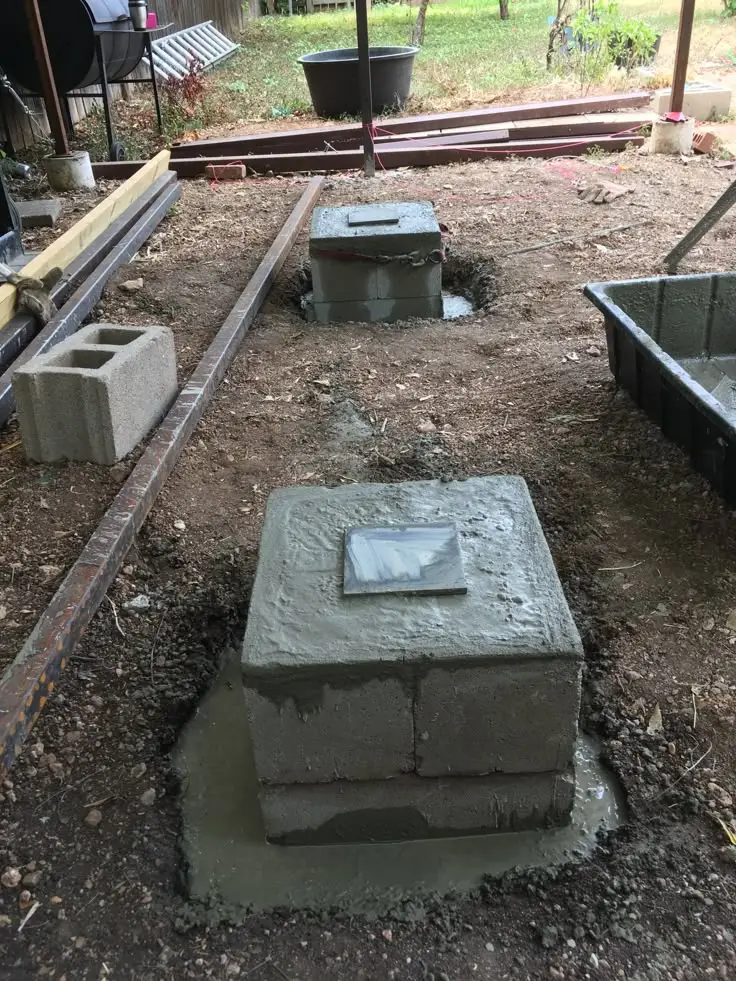
This is a more traditional foundation, similar to what you’d find under a mobile home. You dig holes where the support points will be, pour concrete footers at the bottom, and then stack concrete block piers on top.
Why people choose it:
It’s legal in many areas, provides good stability, and gives you crawl space for plumbing or repairs underneath. You can also tie the shed down more securely.
Why it can go wrong:
It’s more labor-intensive. If you don’t get your footers level or place enough piers, your shed can still settle unevenly over time. And if you’re not confident with a level and shovel, you might need help from a contractor.
Bottom line:
A solid middle-ground for folks who want a reliable setup without pouring a full slab. Just make sure it’s done right the first time.
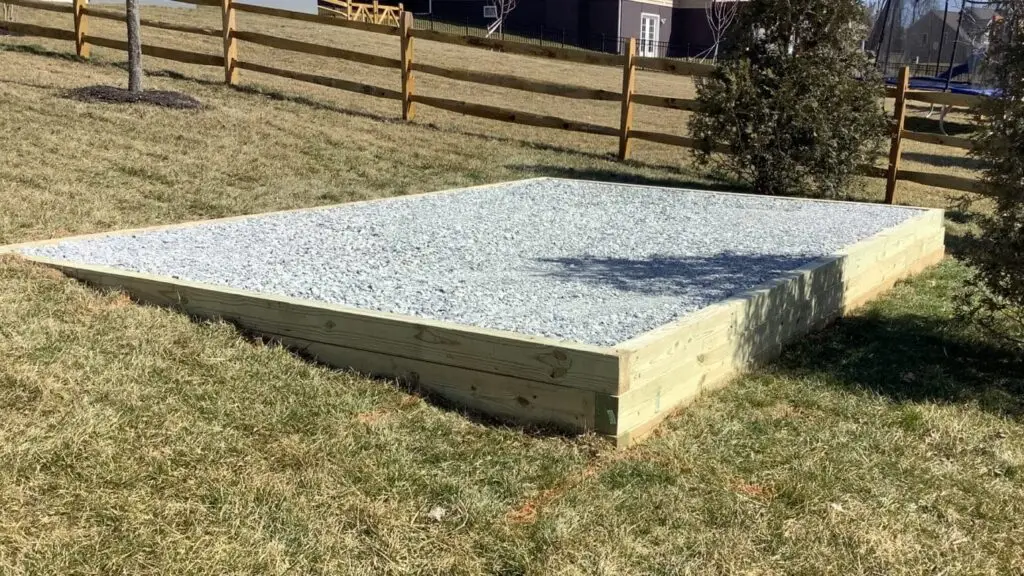
3. Gravel Pad with Skids (Floating Foundation)
What it is:
The shed is placed directly on its built-in skids (usually pressure-treated 4x6s) over a compacted gravel pad. The gravel allows for some drainage and leveling.
Why people choose it:
It’s fairly quick to prep and provides better drainage than just placing blocks on dirt. The gravel keeps the base dry and helps prevent rot.
Why it can go wrong:
There’s no true anchoring or support structure under the skids. If water runs through the area or freezes in winter, the gravel can shift and cause uneven settling. In wetter climates, the skids themselves may rot over time—even if they’re pressure treated.
Bottom line:
Fine for dry climates or temporary structures. But if you’re finishing it out as a real home, it’s not the best long-term option.
4. Concrete Slab
What it is:
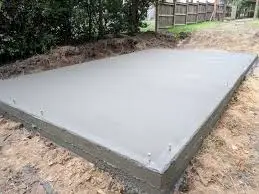
A poured concrete slab the full size of your shed (or slightly larger). The shed is either placed directly on the slab or built on top of it.
Why people choose it:
It’s permanent and very strong. You’ll never have to worry about settling or shifting. It’s a clean, level base and makes finishing the inside easier in some ways.
Why it can go wrong:
- No crawl space: Once the slab is poured, all utilities must be run before the concrete sets.
- Expensive: Between materials and labor, you could spend $4,000–$10,000+.
- Inflexible: Once it’s done, it’s done. If you didn’t plan plumbing or electrical just right, you’re out of luck.
Bottom line:
Best for folks who know exactly what they want and are ready to spend a bit more. Great for long-term setups in places with stable soil.
5. Post and Beam Foundation
(Our Pick)
What it is:
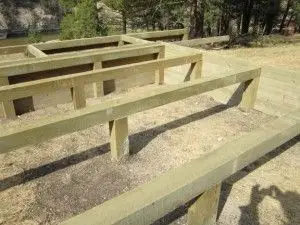
You dig post holes and set large treated posts (we’re using 6x6s) into the ground. Horizontal beams (also 6x6s) are attached across the top, forming a sturdy base. The shed is placed on top of the beams.
Why people choose it:
- Elevates the shed above ground and water flow
- Creates a crawl space for plumbing, wiring, and insulation
- Strong tie-down potential using straps and anchors
- Great for uneven or sloped land
Why it’s not for everyone:
You’ll need to dig holes (manual or auger), level beams precisely, and possibly pour concrete for added stability. It takes some know-how, or at least a willingness to learn and work.
Bottom line:
If your shed will be a real home—especially in a flood-prone or storm-prone area—this foundation gives you strength, flexibility, and peace of mind.
📺 Want to see what this looks like in real life? Watch the full video:
🧡 Want more real talk about tiny homes, affordable living, and smart planning?
🧠 Learn From My Mistake
I walked y’all under our current shed and showed you the truth:
- Peers were missing entirely in some places.
- Some weren’t even touching the skids.
- We didn’t anchor anything properly because there was nothing to anchor to.
And the underpinning? Just a plastic sheet for now because we still need to relevel and rebuild the base. Don’t let that be your situation.
“A good foundation is like a good budget—it’s not glamorous, but it keeps everything from falling apart.”
✅ Ask Yourself These 5 Questions
Use this to figure out what kind of foundation you really need:
- Is this a permanent home or temporary structure?
- Do you live in an area that floods or holds water?
- Do you plan to add plumbing and electrical underneath?
- Can you legally build a permanent foundation where you live?
- Do you have help (or hire help) to build it right?
If someone’s going to live in this shed—treat it like a home.
🔨 What We’re Doing Now (And What You Can Do Too)
For my daughter’s shed home, we’re going with a post and beam foundation:
- Digging post holes and setting 6×6 treated posts.
- Running 6×6 beams across the top for strength.
- Anchoring with hurricane straps for wind safety.
- Creating crawl space access for plumbing, insulation, and repairs.
It’s more work—but it’s the right work.
👉 Want to avoid rookie mistakes?
Download my free Shed-to-Home Starter Kit:
🪑 Let’s Build Together
If you’ve made mistakes or you’re figuring this out like the rest of us, you’re not alone. That’s exactly why I started The Porch Community.
It’s where real folks share the good, the bad, and the ugly—and help each other build smarter.
👉 Come pull up a chair: askpawpaw.com/porch
We’re not just building tiny homes. We’re building a better life—one smart decision at a time.